Qythera Service
Excel Automation Services for Reporting and Workflows
Replace repetitive spreadsheet work with reliable Excel automation for reporting, data preparation, and business workflows.
Service overview
Build reporting that matches how your team works
Excel remains one of the most important tools inside business teams, but manual Excel work can quickly become slow, fragile, and difficult to control. Qythera builds Excel automation systems that reduce repetitive tasks, clean recurring data, prepare reports, and support faster review cycles. The goal is to keep the flexibility of Excel while removing the work that drains time every week.
Many teams spend hours copying data, applying formulas, filtering rows, preparing pivots, formatting reports, and emailing versions to stakeholders. That process creates delays and increases the risk of errors. Excel automation can standardize those steps through structured templates, VBA macros, Power Query, connected data flows, and controlled workbook logic. The result is a reporting workflow that is easier to run and easier to trust.
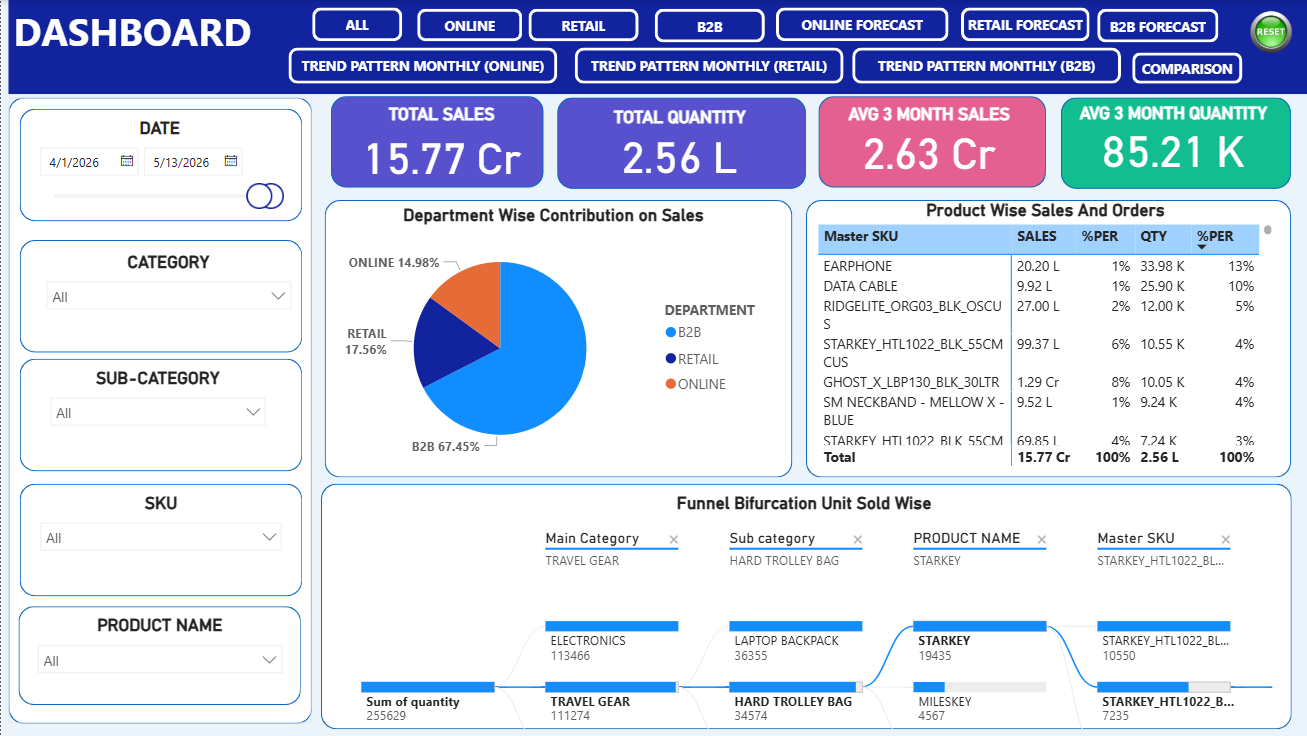
Our Excel automation service is designed for teams that need practical improvements without overcomplicating their environment. We can automate existing workbooks, rebuild messy reporting files, create clean templates, or connect Excel outputs into Power BI dashboards. Every solution is shaped around the real process, the people who use it, and the controls needed to avoid broken formulas or hidden manual edits.
Excel Automation Services should be planned as a business system, not as a one-time design exercise. During delivery, Qythera translates current reporting habits into a cleaner operating model. That includes deciding which numbers belong on the first screen, which details should sit behind drill-down views, and which users need simple filters instead of complex report pages. This planning keeps the final output useful for daily work as well as leadership review.
The delivery also considers adoption. A technically correct dashboard or automation can still fail if users do not understand when to use it, which numbers to trust, or how to respond when an exception appears. For Excel Automation, we define the most important review moments: morning checks, weekly meetings, month-end reporting, operational follow-up, or management summaries. Those moments shape the page structure and the handover notes.
Data governance is handled in a practical way. We clarify where source data comes from, how often it should refresh, which fields are mandatory, and how calculation logic should be explained. This is especially important for teams in Finance teams, Retail operations, Manufacturing planning, HR reporting, where small reporting errors can affect stock decisions, revenue reviews, customer follow-up, workload planning, or finance visibility.
A typical engagement includes a working reporting model, designed pages or automated outputs, validation against existing reports, documented assumptions, and a handover session. When required, we also prepare a roadmap for the next phase so the first version can expand into more advanced analytics, additional data sources, new workflow steps, or department-specific reporting views.
We also plan how the service will be maintained after launch. That means identifying who owns source files, who can request metric changes, how refresh problems should be reported, and which checks should happen before leadership relies on the output. This keeps Excel Automation useful after the first version is delivered and prevents the team from drifting back into disconnected manual reporting. It also gives new users a clearer path to understand the logic without depending on undocumented knowledge.
Examples are used during the build to keep the work concrete. For this service, that may include Monthly management report that imports raw exports, cleans records, refreshes calculations, and prepares a formatted summary. Sales commission workbook with automated eligibility checks, payout calculations, exception flags, and manager review tabs. These examples help stakeholders react to something tangible and prevent the project from becoming a vague dashboard request. The result is a focused solution that gives the team a better way to see performance, discuss problems, and choose the next action.
Business benefits
What improves after the service is implemented
Less manual copy-paste work
Less manual copy-paste work across recurring reports, trackers, exports, and review packs.
Improved data quality through
Improved data quality through consistent cleaning rules, validations, lookup logic, and controlled transformations.
Faster month-end, weekly, and
Faster month-end, weekly, and daily reporting cycles because routine steps can be executed in minutes.
Better workbook structure with
Better workbook structure with clear input areas, calculation sheets, output tabs, and protected reporting logic.
Reduced dependency on a
Reduced dependency on a single spreadsheet owner because the workflow becomes documented and repeatable.
Smooth upgrade path from
Smooth upgrade path from Excel reports to Power BI dashboards when the team is ready for broader analytics.
Process
A practical delivery process from discovery to rollout
1. Workflow review
Workflow review: we map the current spreadsheet process, manual steps, source files, users, and pain points.
2. Workbook audit
Workbook audit: we inspect formulas, pivots, macros, queries, file links, hidden sheets, and data quality risks.
3. Automation design
Automation design: we choose the right approach using formulas, Power Query, VBA, templates, or dashboard connections.
4. Build and test
Build and test: we automate the workflow, validate outputs against the old report, and test common edge cases.
5. Handover and support
Handover and support: we document how to run the automation, where to update inputs, and how to maintain the workbook.
Industries served
Built for teams with recurring data decisions
- Finance teams
- Retail operations
- Manufacturing planning
- HR reporting
- Sales operations
- Admin and back-office teams
Dashboard examples
Examples your team can build toward
- Monthly management report that imports raw exports, cleans records, refreshes calculations, and prepares a formatted summary.
- Sales commission workbook with automated eligibility checks, payout calculations, exception flags, and manager review tabs.
- Inventory reconciliation file that compares stock records, highlights mismatches, and prepares follow-up lists.
- Excel to Power BI reporting pipeline that standardizes spreadsheet data before it feeds a dashboard.
Related services
Connect this service with the rest of your reporting system
Most reporting improvements work best when the surrounding workflows are connected. Explore related Qythera services that can extend this page into a broader business intelligence, automation, or dashboard roadmap.
FAQ
Common questions about Excel Automation Services
Can existing Excel files be automated?
Yes. Existing files can often be improved by cleaning structure, replacing fragile formulas, adding Power Query steps, or introducing controlled macros.
Do you use VBA macros?
We use VBA when it is the right fit, but we also consider formulas, Power Query, data validation, and Power BI depending on the workflow.
Will users need technical knowledge?
No. The goal is to give business users a guided workbook or simple run process, with technical logic hidden behind clear controls.
Can Excel automation connect to Power BI?
Yes. Automated Excel outputs can be structured as clean data sources for Power BI dashboards and reporting models.
How do you reduce spreadsheet errors?
We use validation checks, protected formulas, defined input areas, documented steps, and testing against historical reports.
Ready to improve Excel Automation?
Share your current reporting challenge and Qythera will suggest a focused next step for your data, dashboard, or automation workflow.
Start a Project Conversation