Qythera Service
Power BI Dashboard Development Services
Turn scattered business data into clear, interactive Power BI dashboards that leaders can use every day.
Service overview
Build reporting that matches how your team works
Power BI dashboard development is the foundation service for teams that want a dependable view of performance without waiting for manual reports. Qythera designs dashboard systems that connect data sources, model the right metrics, and present business information in a format that is fast to read and simple to act on. The focus is not only visual design. A good Power BI dashboard must answer real operating questions, reduce reporting delays, and give managers confidence that the numbers are consistent.
Many growing companies already have data in Excel, accounting tools, ERP systems, CRM platforms, databases, and shared files. The challenge is that each source tells only part of the story. Our Power BI development process brings those sources together through clean data modelling, thoughtful KPI design, and dashboards built around how your teams actually work. Sales heads, operations managers, founders, finance teams, and department leaders can all see the measures that matter to them without fighting spreadsheets.
Every dashboard is planned around business usage. We define the audience, refresh needs, filters, drill-down paths, and action points before building visuals. That means the final dashboard is not a static report with charts pasted on a page. It becomes a live reporting product for tracking performance, spotting gaps, explaining changes, and making decisions across daily, weekly, and monthly review cycles.
Power BI Dashboard Development should be planned as a business system, not as a one-time design exercise. During delivery, Qythera translates current reporting habits into a cleaner operating model. That includes deciding which numbers belong on the first screen, which details should sit behind drill-down views, and which users need simple filters instead of complex report pages. This planning keeps the final output useful for daily work as well as leadership review.
The delivery also considers adoption. A technically correct dashboard or automation can still fail if users do not understand when to use it, which numbers to trust, or how to respond when an exception appears. For Power BI, we define the most important review moments: morning checks, weekly meetings, month-end reporting, operational follow-up, or management summaries. Those moments shape the page structure and the handover notes.
Data governance is handled in a practical way. We clarify where source data comes from, how often it should refresh, which fields are mandatory, and how calculation logic should be explained. This is especially important for teams in Manufacturing, Retail and distribution, Ecommerce, Professional services, where small reporting errors can affect stock decisions, revenue reviews, customer follow-up, workload planning, or finance visibility.
A typical engagement includes a working reporting model, designed pages or automated outputs, validation against existing reports, documented assumptions, and a handover session. When required, we also prepare a roadmap for the next phase so the first version can expand into more advanced analytics, additional data sources, new workflow steps, or department-specific reporting views.
We also plan how the service will be maintained after launch. That means identifying who owns source files, who can request metric changes, how refresh problems should be reported, and which checks should happen before leadership relies on the output. This keeps Power BI useful after the first version is delivered and prevents the team from drifting back into disconnected manual reporting. It also gives new users a clearer path to understand the logic without depending on undocumented knowledge.
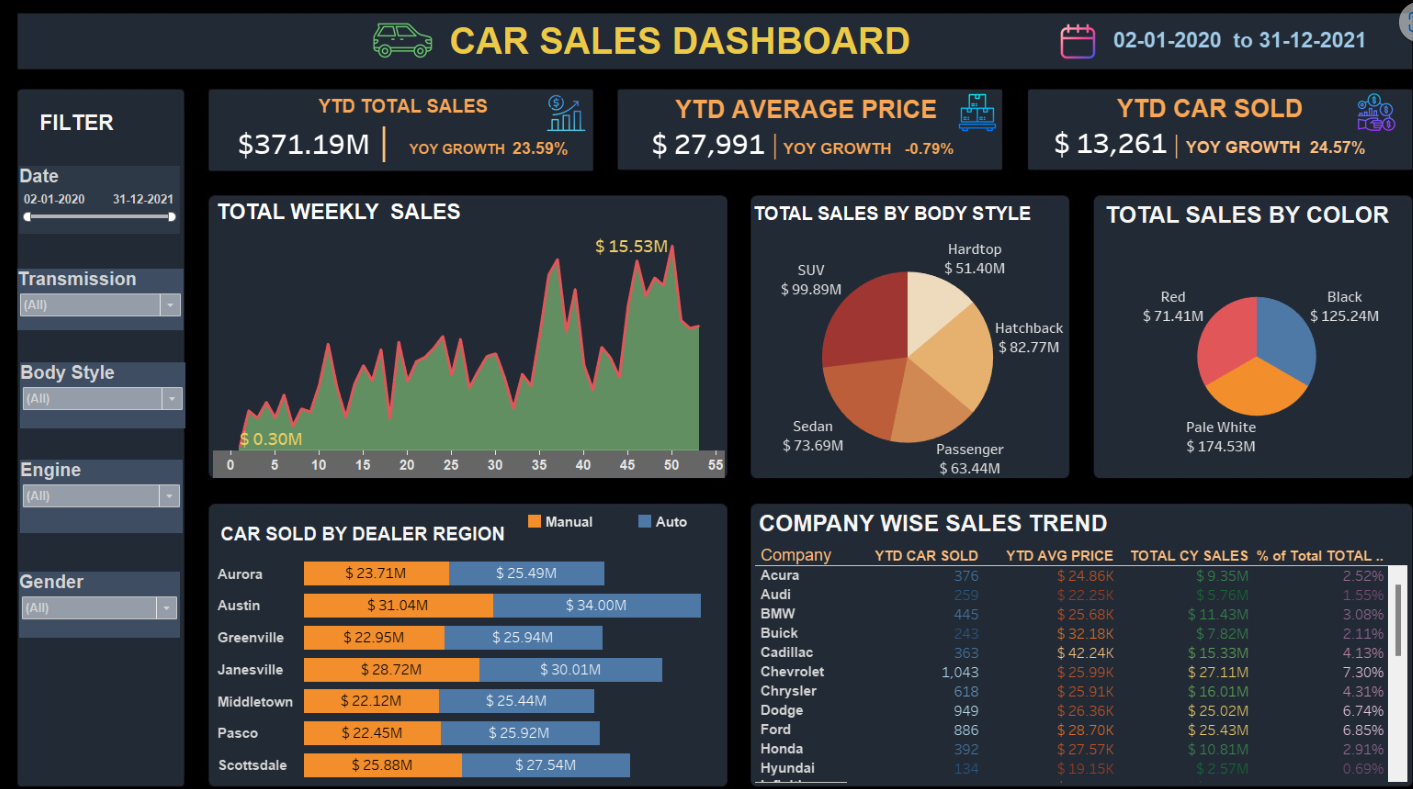
Examples are used during the build to keep the work concrete. For this service, that may include Executive performance dashboard with revenue, cost, margin, department performance, and monthly trend analysis. Operations dashboard that tracks open orders, productivity, turnaround time, bottlenecks, and exception categories. These examples help stakeholders react to something tangible and prevent the project from becoming a vague dashboard request. The result is a focused solution that gives the team a better way to see performance, discuss problems, and choose the next action.
Business benefits
What improves after the service is implemented
Centralized reporting that reduces
Centralized reporting that reduces dependency on scattered spreadsheets and separate department files.
Faster decision cycles because
Faster decision cycles because managers can inspect current numbers instead of waiting for manual report preparation.
Cleaner KPI ownership with
Cleaner KPI ownership with definitions for revenue, margin, stock, conversion, aging, productivity, and exceptions.
Interactive filtering by period,
Interactive filtering by period, branch, product, department, customer segment, salesperson, or any relevant business dimension.
Reduced reporting errors through
Reduced reporting errors through repeatable data refreshes, governed calculations, and consistent dashboard logic.
Executive visibility through summaries,
Executive visibility through summaries, trends, alerts, and drill-down pages that explain what changed and why.
Process
A practical delivery process from discovery to rollout
1. Discovery and metric mapping
Discovery and metric mapping: we document the business questions, current reports, stakeholders, refresh expectations, and decisions the dashboard must support.
2. Data audit and modelling
Data audit and modelling: we review source files and systems, clean fields, define relationships, and prepare a stable model for Power BI reporting.
3. Dashboard wireframing
Dashboard wireframing: we plan the page structure, KPI hierarchy, filters, drill paths, and visual layout before full development begins.
4. Build and validation
Build and validation: we create the dashboard, test calculations against source reports, refine usability, and confirm that each visual supports a clear action.
5. Deployment and enablement
Deployment and enablement: we publish the dashboard, set refresh guidance, train users, and document how the reporting model should be maintained.
Industries served
Built for teams with recurring data decisions
- Manufacturing
- Retail and distribution
- Ecommerce
- Professional services
- Healthcare operations
- Finance and management teams
Dashboard examples
Examples your team can build toward
- Executive performance dashboard with revenue, cost, margin, department performance, and monthly trend analysis.
- Operations dashboard that tracks open orders, productivity, turnaround time, bottlenecks, and exception categories.
- Finance dashboard for cash movement, expense trends, budget comparison, profitability, and management review.
- Customer and product dashboard showing contribution, repeat behavior, growth segments, and declining accounts.
Related services
Connect this service with the rest of your reporting system
Most reporting improvements work best when the surrounding workflows are connected. Explore related Qythera services that can extend this page into a broader business intelligence, automation, or dashboard roadmap.
FAQ
Common questions about Power BI Dashboard Development
What does Power BI dashboard development include?
It includes requirement discovery, data modelling, dashboard design, DAX calculations, visual development, validation, publishing guidance, and user handover.
Can Qythera connect Power BI to Excel or business systems?
Yes. Dashboards can be built from Excel, CSV files, SharePoint, databases, ERP exports, CRM data, and other structured business sources.
How long does a Power BI dashboard project take?
A focused dashboard can often be delivered in one to three weeks, while multi-department reporting systems take longer depending on data complexity.
Do you help with KPI definitions?
Yes. We help define practical KPI logic so every team understands what is being measured and how the number is calculated.
Can the dashboard be expanded later?
Yes. A well-built model can be extended with new pages, measures, data sources, and department-specific views as reporting needs grow.
Ready to improve Power BI?
Share your current reporting challenge and Qythera will suggest a focused next step for your data, dashboard, or automation workflow.
Start a Project Conversation